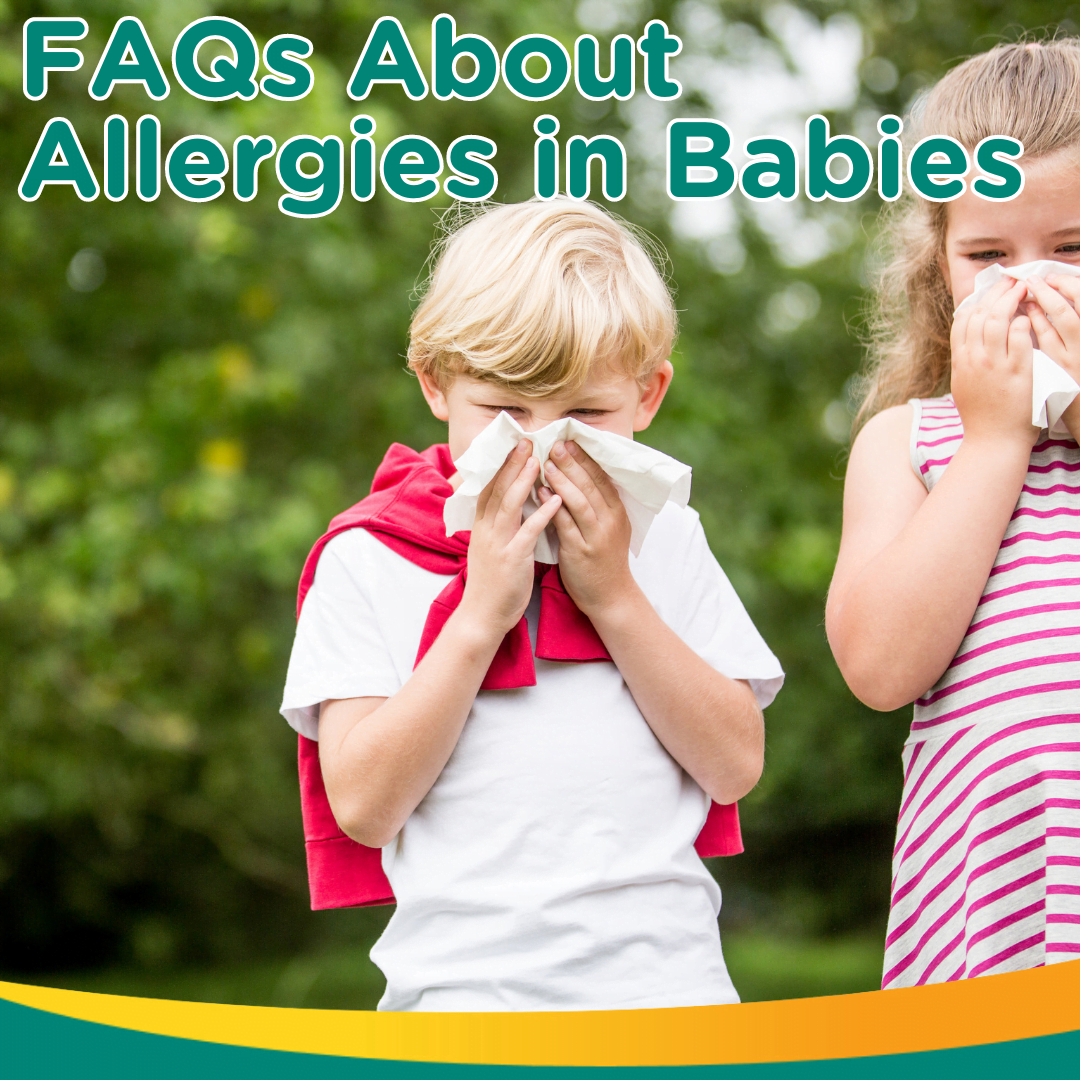
Allergies can be a concern for many parents, especially during the summer months when pollen and other allergens are prevalent. Understanding how to identify and manage allergies in babies is essential for their well-being. In this post, we address some of the most frequently asked questions about baby allergies.
What are the common signs of allergies in babies? Babies can display various signs of allergies, such as:
- Runny or blocked nose
- Red, itchy, or watery eyes
- Sneezing
- Coughing or wheezing
- Skin rashes or hives
If you notice these symptoms, consult your GP for a proper diagnosis. For more detailed information, you can visit the NHS: Allergies
What are the common allergens for babies? Common allergens that can affect babies include:
- Pollen
- Dust mites
- Pet dander
- Mould
- Certain foods (e.g., cow’s milk, eggs, peanuts)
Understanding these triggers can help minimise your baby’s exposure to allergens.
How can I manage my baby’s seasonal allergies? To effectively manage seasonal allergies:
- Keep windows closed during high pollen times.
- Use air purifiers to reduce indoor allergens.
- Bathe your baby after outdoor activities to remove pollen.
- Regularly clean bedding and soft toys to reduce dust mites.
For additional tips, check out Allergy UK.
Can babies outgrow their allergies? Many babies can outgrow certain allergies as their immune system matures. However, some allergies, particularly food allergies, may persist. Regular check-ups with your healthcare provider can help monitor and manage your baby’s allergies over time.
How can I tell if my baby has a food allergy? Food allergies in babies may present as:
- Hives or a rash
- Swelling of the lips, face, or tongue
- Vomiting or diarrhoea
- Difficulty breathing
If you suspect a food allergy, seek medical advice immediately. The NHS: Food Allergy page provides comprehensive information on this topic.
What treatments are available for baby allergies? Treatment options vary depending on the type and severity of the allergy. They may include:
- Antihistamines: Suitable for mild allergic reactions.
- Nasal sprays: To relieve nasal congestion.
- Moisturising creams: For skin rashes and eczema.
- Avoidance of known allergens: The most effective way to prevent allergic reactions.
Consult your GP for the most appropriate treatment plan for your baby.
Conclusion:
Managing allergies in babies requires careful observation and proactive steps to reduce exposure to allergens. By understanding the signs and knowing how to respond, you can help ensure your baby stays comfortable and healthy.
For expert advice on managing baby allergies, visit the NHS: Allergies and Allergy UK websites.

Comments